EasyFix – Medical Animation 3D
How 3D Technical Animation Helps Medical Companies Explain Products and Medical Systems
Introduction to Medical 3D Animation
In the rapidly evolving world of healthcare and medical technology, 3D technical animation has emerged as a powerful tool to communicate complex medical concepts with precision and clarity. Medical animation 3D is an innovative approach that uses three-dimensional visualization to illustrate intricate biological processes, medical devices, and surgical procedures. This technology has revolutionized how medical companies explain their products and systems, making it easier for healthcare professionals, patients, and stakeholders to understand advanced medical solutions.
Why Medical Companies Use 3D Technical Animation
Medical companies face the challenge of conveying complex information clearly and effectively. Traditional communication methods, such as brochures or 2D illustrations, often fail to provide an accurate representation of medical products and systems. 3D technical animation bridges this gap by delivering highly detailed, dynamic visualizations that enhance comprehension and engagement. Here are the key reasons why medical companies rely on 3D animation:
1. Enhanced Understanding of Complex Medical Concepts
Medical devices and procedures are often intricate and difficult to explain through words or static images. 3D animation allows for a comprehensive visualization of these systems, showing how components interact and function in real-time. By demonstrating the mechanisms of action and physiological interactions, medical companies can effectively communicate the benefits and functionalities of their products. This approach not only aids healthcare professionals in understanding new technologies but also helps patients comprehend complex treatments.
2. Improved Training and Education
3D technical animation is widely used in medical education and training. It offers an interactive learning experience that is more engaging and effective than traditional methods. By simulating surgical procedures, anatomical structures, and pharmacological effects, medical animations provide clear and detailed explanations that enhance learning outcomes. This makes them indispensable tools for medical students, healthcare professionals, and patients seeking to understand medical interventions.
3. Effective Marketing and Communication
In the competitive medical industry, effectively marketing innovative products is crucial for success. 3D animation enables companies to showcase their products with visually compelling demonstrations, highlighting unique features and benefits. By creating dynamic promotional videos, medical companies can reach a broader audience, including potential buyers, investors, and healthcare providers. This visual storytelling approach enhances engagement and improves conversion rates, making 3D animation a valuable asset for marketing campaigns.
4. Accurate Demonstration of Medical Devices and Procedures
Medical devices are often complex, with multiple components and intricate functionalities. 3D technical animation offers a precise and detailed visualization of these devices, showing how they are assembled, operated, and maintained. It allows companies to demonstrate device mechanisms clearly, reducing the need for lengthy explanations and minimizing misinterpretation. This is especially beneficial for sales teams, who can use animations to effectively communicate technical specifications to clients and stakeholders.
5. Enhanced Patient Education and Compliance
Patient education is a critical aspect of healthcare, as informed patients are more likely to adhere to prescribed treatments. 3D medical animations provide a clear and visual explanation of medical conditions, procedures, and therapies, helping patients understand complex medical information. This improved understanding leads to better patient compliance, reducing anxiety and increasing confidence in the recommended treatments.
Applications of 3D Medical Animation in Healthcare
The versatility of 3D technical animation makes it applicable across various sectors of the healthcare industry. Some of the prominent applications include:
1. Surgical Procedure Animation
3D animation can accurately simulate surgical procedures, illustrating each step with precision. This is particularly useful for pre-surgical planning and training, as it enables surgeons to visualize the procedure beforehand. It also helps patients understand the surgical process, thereby reducing anxiety and enhancing informed consent.
2. Medical Device Animation
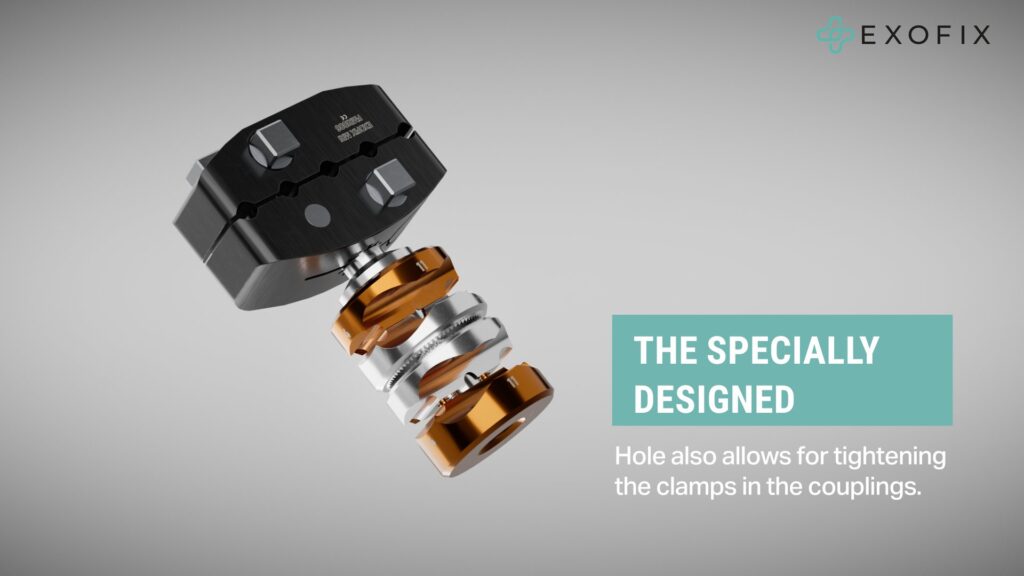
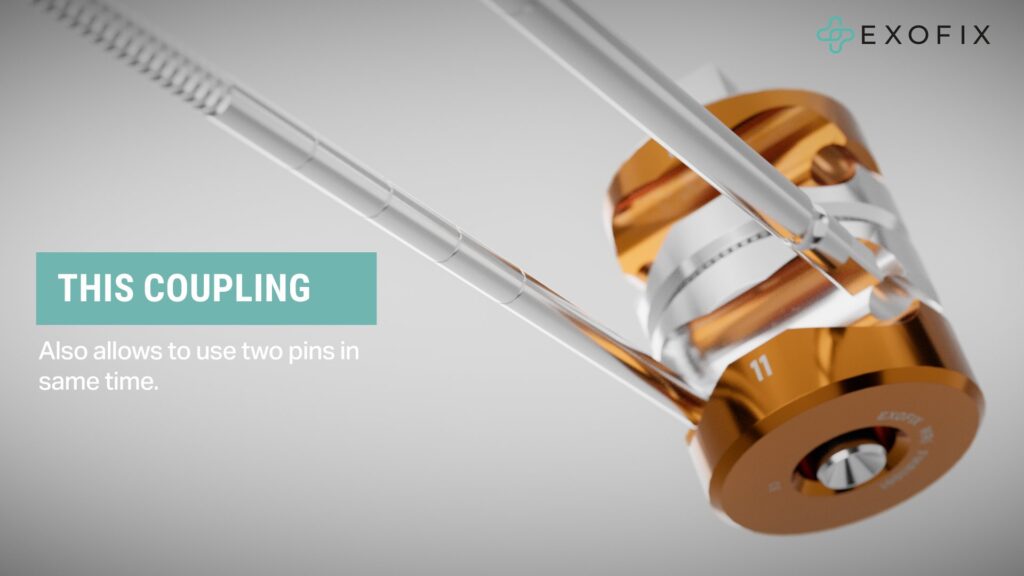
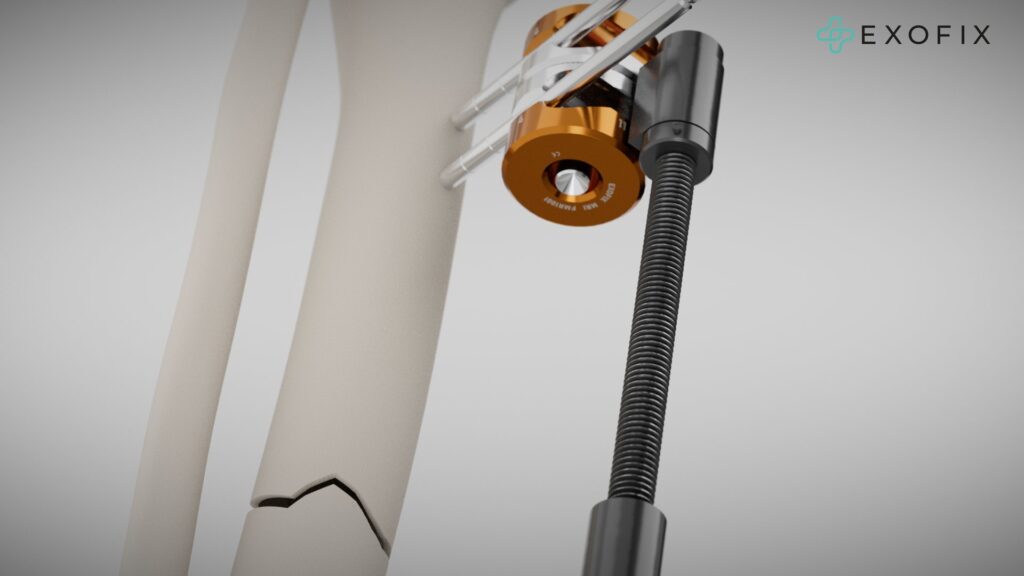
Medical device companies use 3D animation to demonstrate how their devices work, how they are assembled, and how they interact with the human body. This detailed visualization helps in marketing, training, and educational purposes, ensuring that end-users fully understand the device’s functionality and benefits.
3. Pharmaceutical Mechanism of Action (MOA) Animation
Pharmaceutical companies utilize 3D animation to explain the mechanism of action of drugs at the molecular level. By visualizing the interaction between drugs and biological systems, these animations simplify complex pharmacological concepts, helping healthcare professionals and patients understand the drug’s therapeutic effects and side effects.
4. Patient Education Videos
3D animations are used to create patient education videos that explain medical conditions, treatments, and surgical procedures in an easy-to-understand manner. These videos empower patients with knowledge, enabling them to make informed healthcare decisions.
Benefits of Using 3D Technical Animation in Medical Communication
1. Increased Engagement and Retention
Studies show that visual content is more engaging and memorable than text-based information. 3D animations capture the viewer’s attention, facilitating better information retention. This is particularly beneficial in educational settings where complex concepts need to be conveyed effectively.
2. Streamlined Communication Across Multiple Platforms
3D technical animations can be seamlessly integrated into websites, social media, presentations, and virtual reality platforms, ensuring consistent communication across multiple channels. This versatility enhances the reach and impact of medical marketing and educational campaigns.
3. Cost and Time Efficiency
By using 3D animations, medical companies can reduce costs associated with physical prototypes, live demonstrations, and printed educational materials. Animations can be easily updated to reflect changes in product design or medical guidelines, ensuring that the information remains accurate and relevant.
4. Competitive Advantage and Brand Credibility
Companies that leverage advanced 3D animation technologies position themselves as innovative industry leaders. By adopting modern communication tools, they build brand credibility and gain a competitive edge in the market.